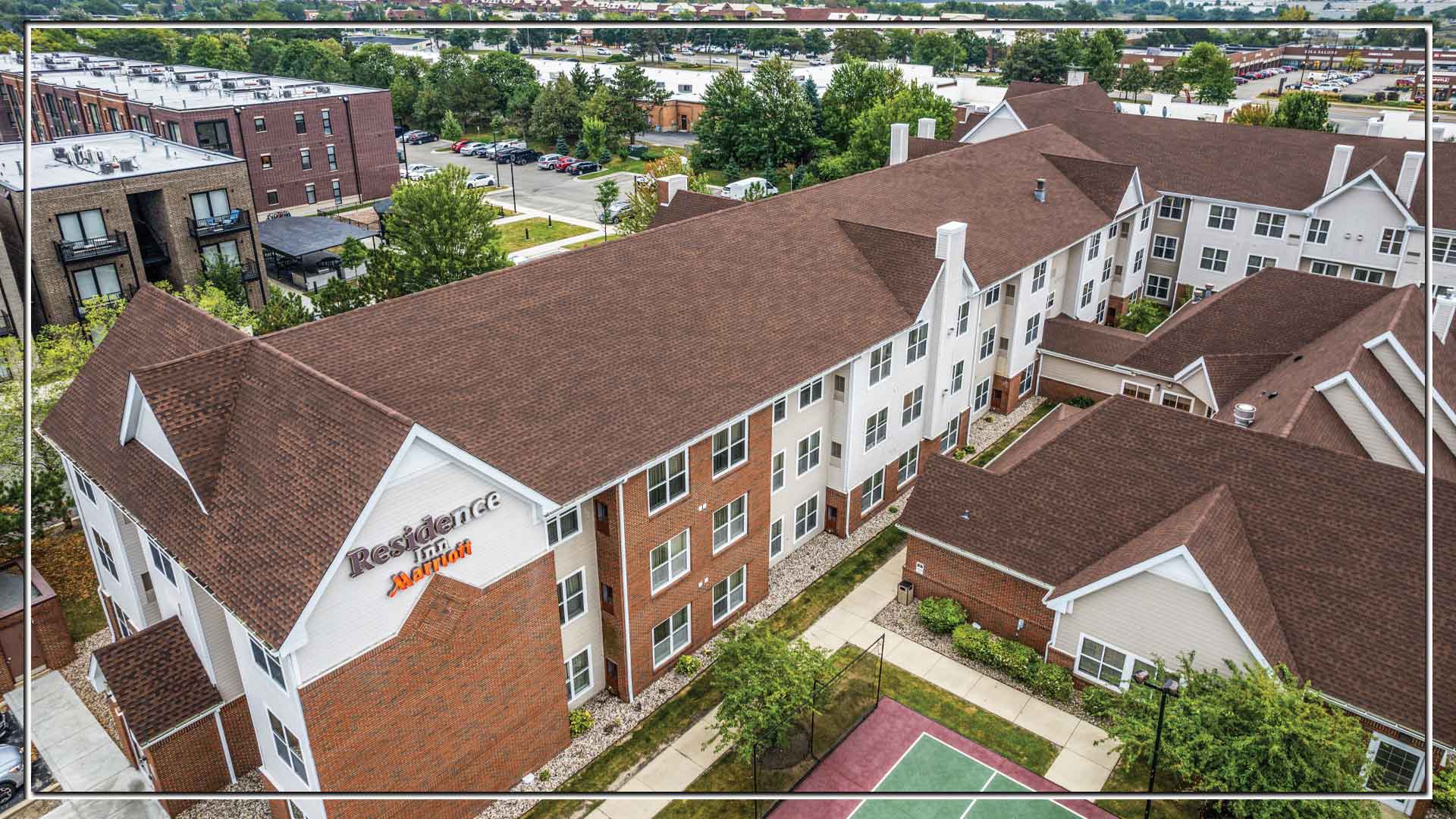
COMMERCIAL ROOFING
Commercial roofing for Southwest Florida businesses
Flat and low-slope systems, metal, coatings, repairs, and scheduled maintenance for commercial buildings, multi-family properties, and HOA communities across Lee, Charlotte, and Collier counties.
Serving Fort Myers, Cape Coral, Naples, Bonita Springs, Estero, and Sarasota.
Call (239) 345-3429
Get An Instant Roof Quote
Florida Certified Roofing Contractor CCC1334737 • Flat, TPO, Built-Up & Metal Systems

Commercial roof repair and replacement in Fort Myers, Cape Coral, and Naples
Superior Built Roofing works on commercial buildings across Southwest Florida: offices, retail centers, industrial facilities, schools, restaurants, hotels, multi-family properties, and HOA communities. We handle flat and low-slope systems, single-ply and TPO, built-up roofing, metal, and coatings, plus repairs and scheduled maintenance. Our license is CCC1334737 and our office is at 10231 Metro Parkway #200 in Fort Myers.
A commercial roof is different from a house in one way that drives everything else. It's usually flat, so water doesn't run off, it sits. Almost every decision about a low-slope roof traces back to how fast water leaves it and what happens to the insulation underneath when it doesn't.
What does your roof need?

Roof Replacement
For systems at the end of their service life, or roofs where wet insulation has spread past the point of patching. We'll show you what the tear-off involves and what it does to your schedule.

Roof Repair
Leaks at seams, flashing, curbs, and drains. We find the actual entry point instead of sealing the spot below the stain.

Roof Maintenance
Scheduled inspections and small repairs, with records you can hand to a manufacturer or a board. Problems on a flat roof are cheap to fix early and almost impossible to see from the ground.

What actually makes a Florida commercial roof fail
Heat and UV age a membrane fast here. Hurricane season, June through November, adds wind, and on a low-slope roof the highest wind pressure lands on the perimeter and the corners, which is where edge metal and fastening patterns earn their keep. Then there's drainage. Standing water works at the seams, and once it gets through, it soaks the insulation and spreads sideways where nobody can see it.

Assess the whole roof:
Drains, seams, flashing, curbs, and the insulation underneath.

Get the scope and cost in writing:
Including what happens if wet deck turns up during tear-off.

Plan your next step
The schedule works around your hours, not the other way around.
Commercial roof systems we work on

Single-ply and TPO
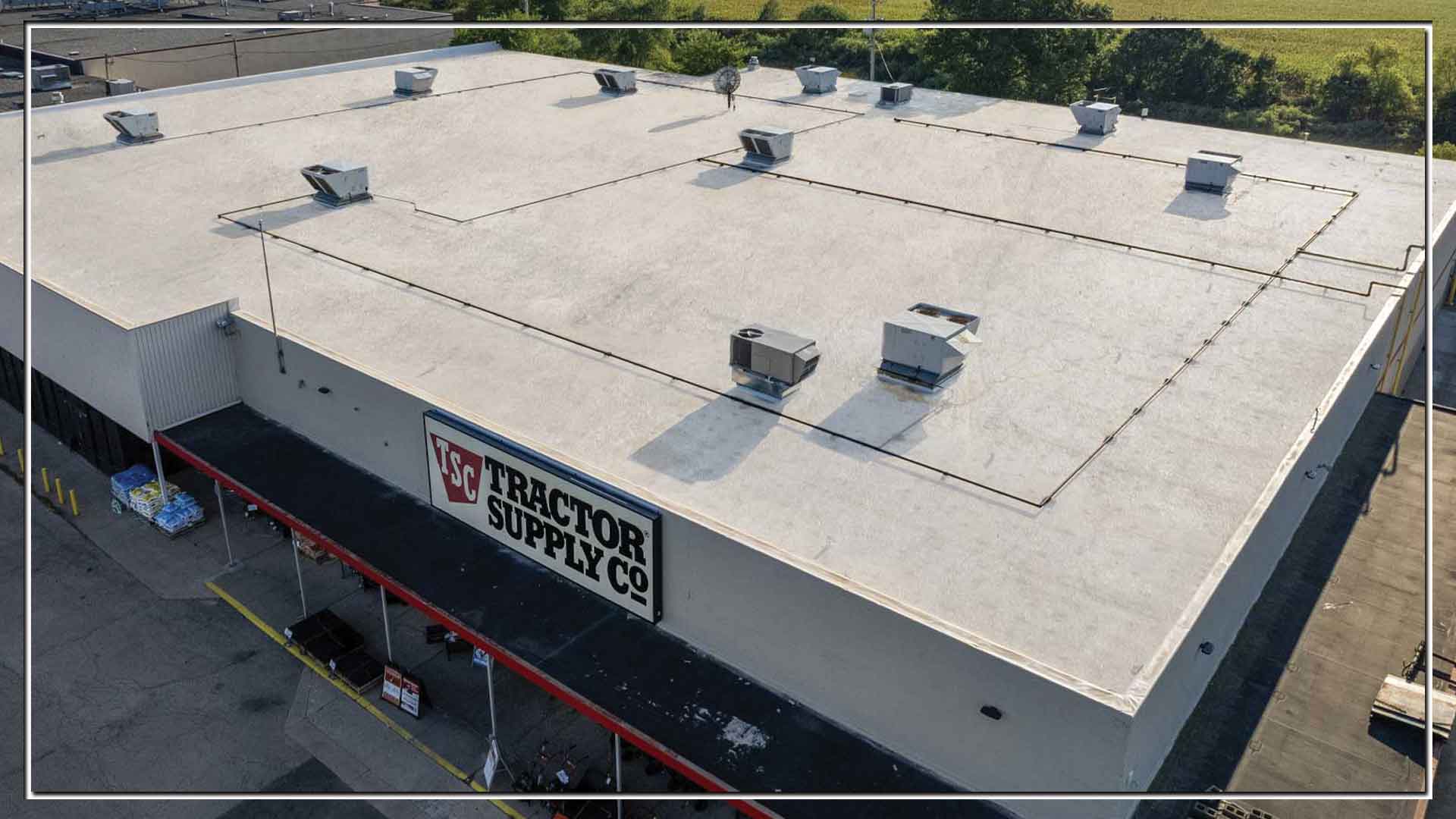
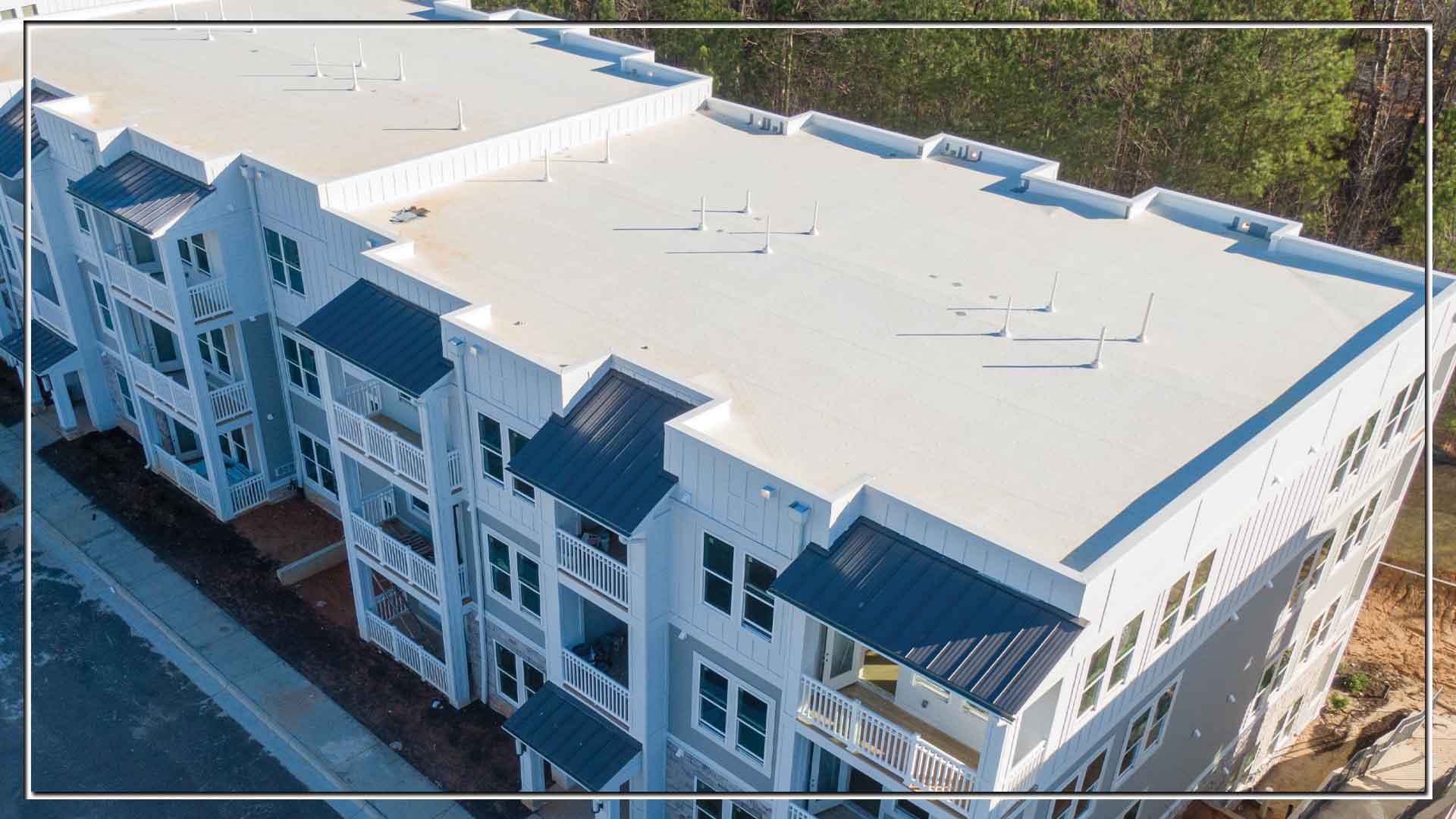
Single-ply membranes are the standard on most flat commercial roofs, and TPO is reflective, which helps with heat gain in Florida. Install quality shows up at the seams and at the details around curbs, drains, and penetrations. That's where these systems leak when they leak.

Built-up roofing
Multiple layers built into one thick system with redundancy designed in. It's heavier and slower to install than single-ply, and it takes foot traffic well, which matters on roofs where crews are up there servicing equipment.

Metal Roofs
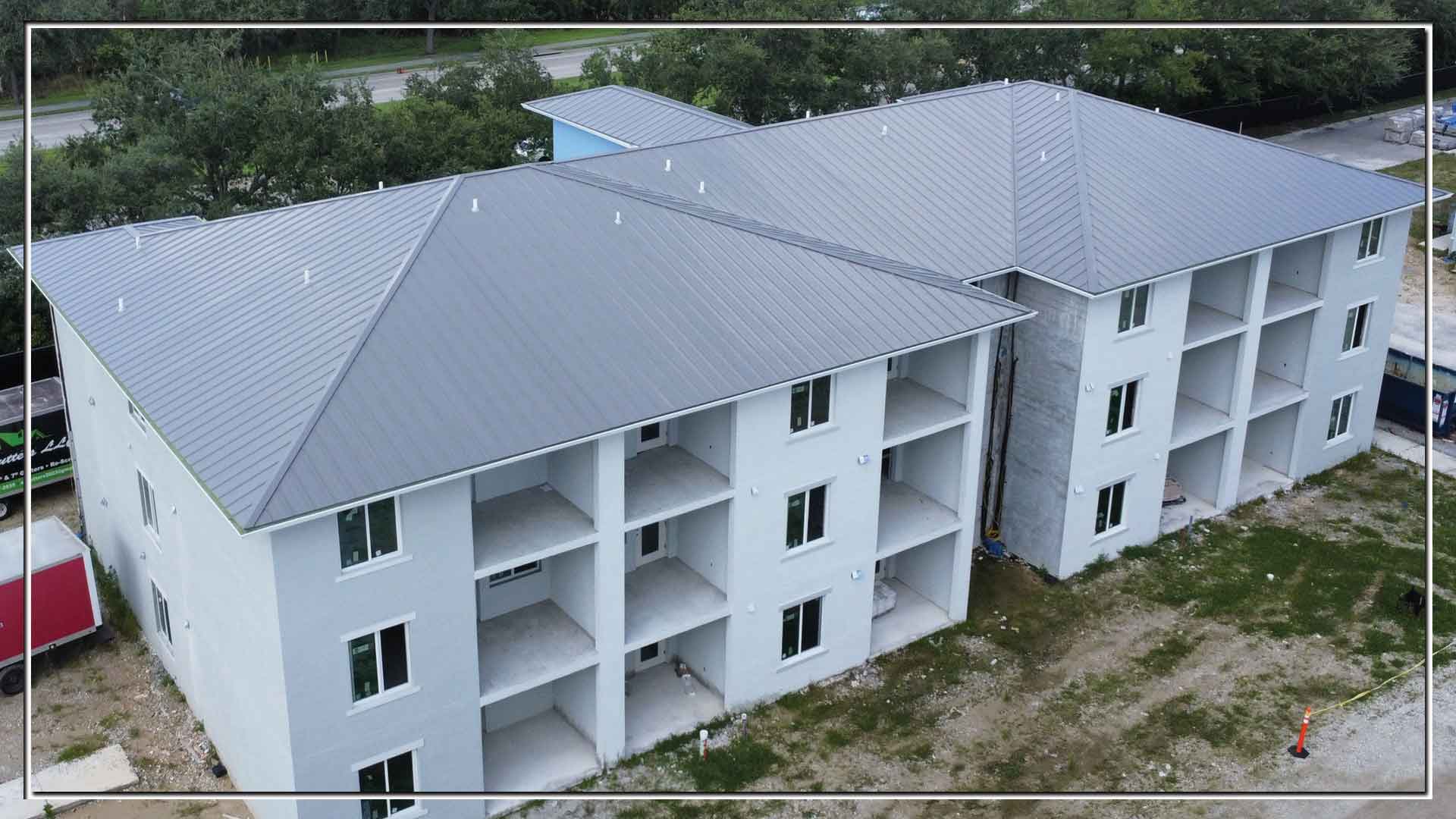
Common on retail buildings, warehouses, and some multi-family. Leaks usually start at fasteners, seams, and penetrations, and buildings near salt water corrode sooner.

Coatings and restoration
When a membrane is aging but the insulation underneath is still dry, a coating can add service life for less than a tear-off costs. It is not a fix for a wet roof, and anyone who tells you otherwise is selling you time, not a solution.
Repair, restore, or replace?
Three options, and the right one depends on how much of the roof is wet, how old the system is, and what the code requires once the work gets big enough.

A target repair
Right when the damage is isolated and the insulation under it is still dry.

A coating or restoration
Worth pricing when the membrane is aging but the roof underneath is sound.

A full replacement
The call when wet insulation is widespread or the system is past its service life.
Where the code comes in
Florida's building code can require a whole roof section to be brought up to current code once 25% or more of it is being repaired or replaced. Roofs built or reroofed under the 2007 Florida Building Code or later get an exception under Fla. Stat. § 553.844(5), where only the portion being worked on has to meet current code. Worth knowing which side of that line your building sits on before you price a repair.
We'll walk you through what we found before you decide anything.
How a commercial project runs
01
Inspect
We walk the roof and check drains, seams, flashing, and curbs, plus what's happening under the membrane.
02
Report
You get the findings with photos, and the options priced so an owner or a board can compare them.
03
Plan
We confirm scope, materials, staging, and a schedule built around your operating hours. Reroofs are permitted work in Florida, so the permit is part of the plan.
04
Complete
We walk the finished roof with you, hand over the documentation, and set up maintenance if you want it.
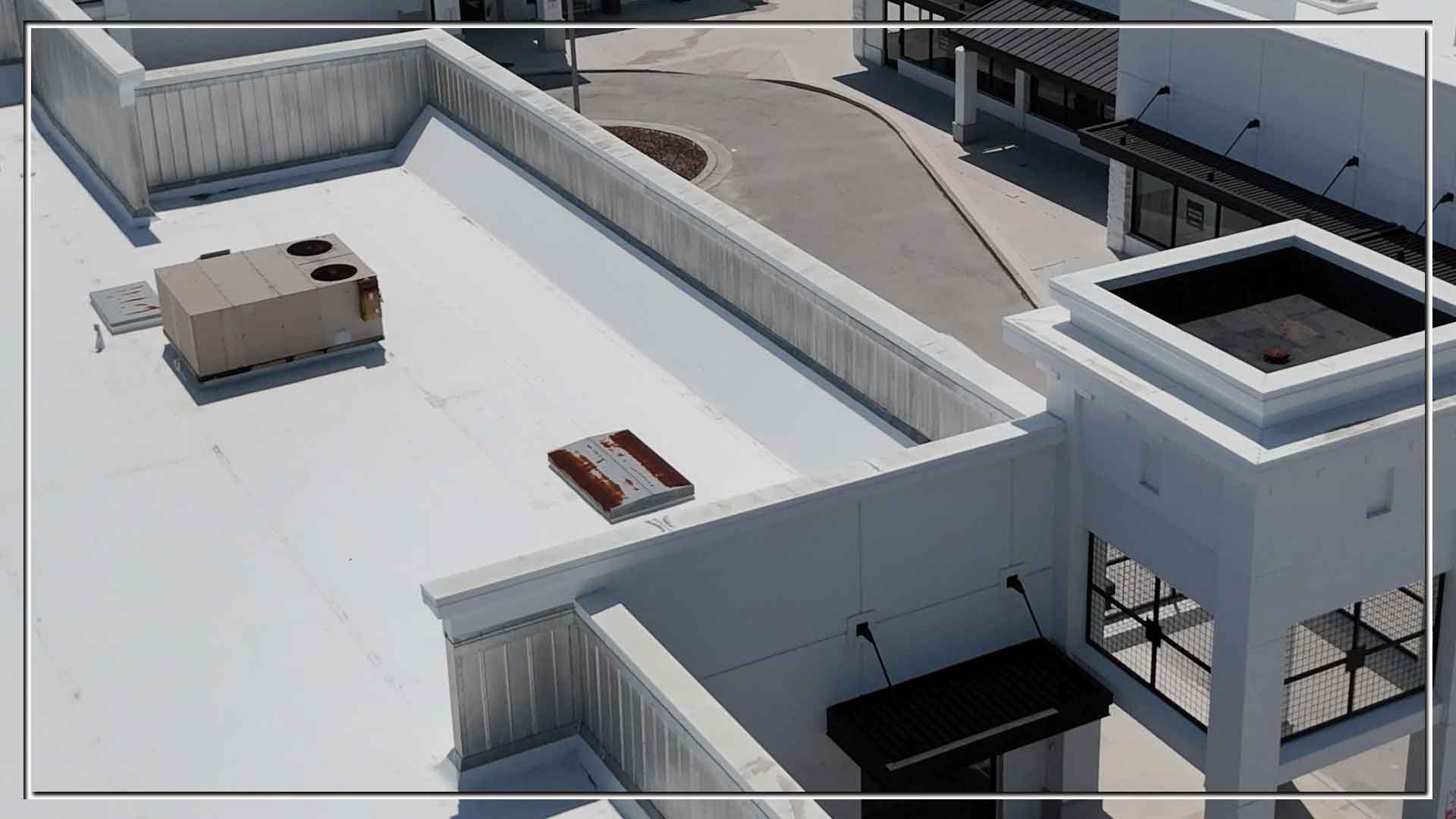
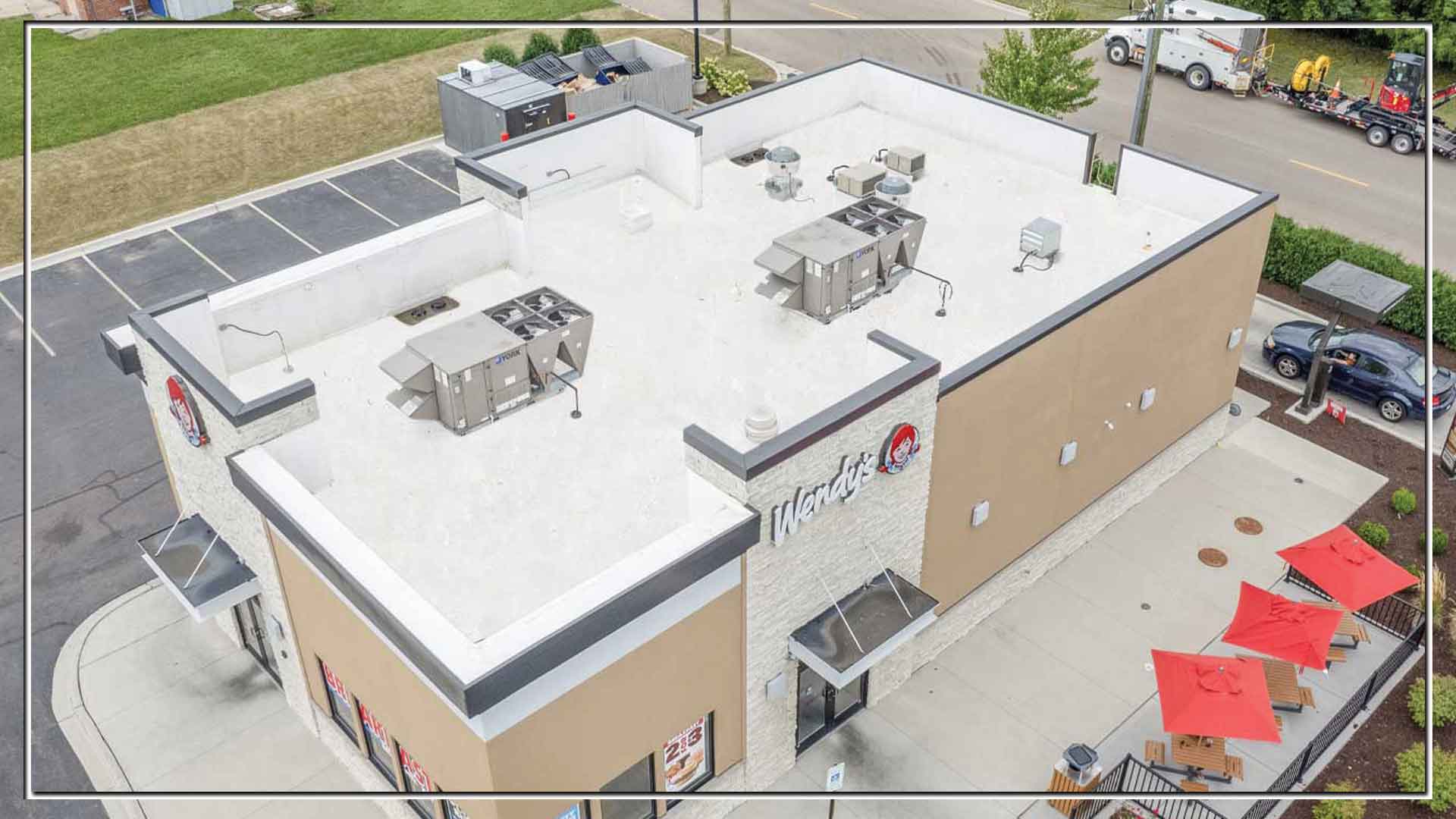
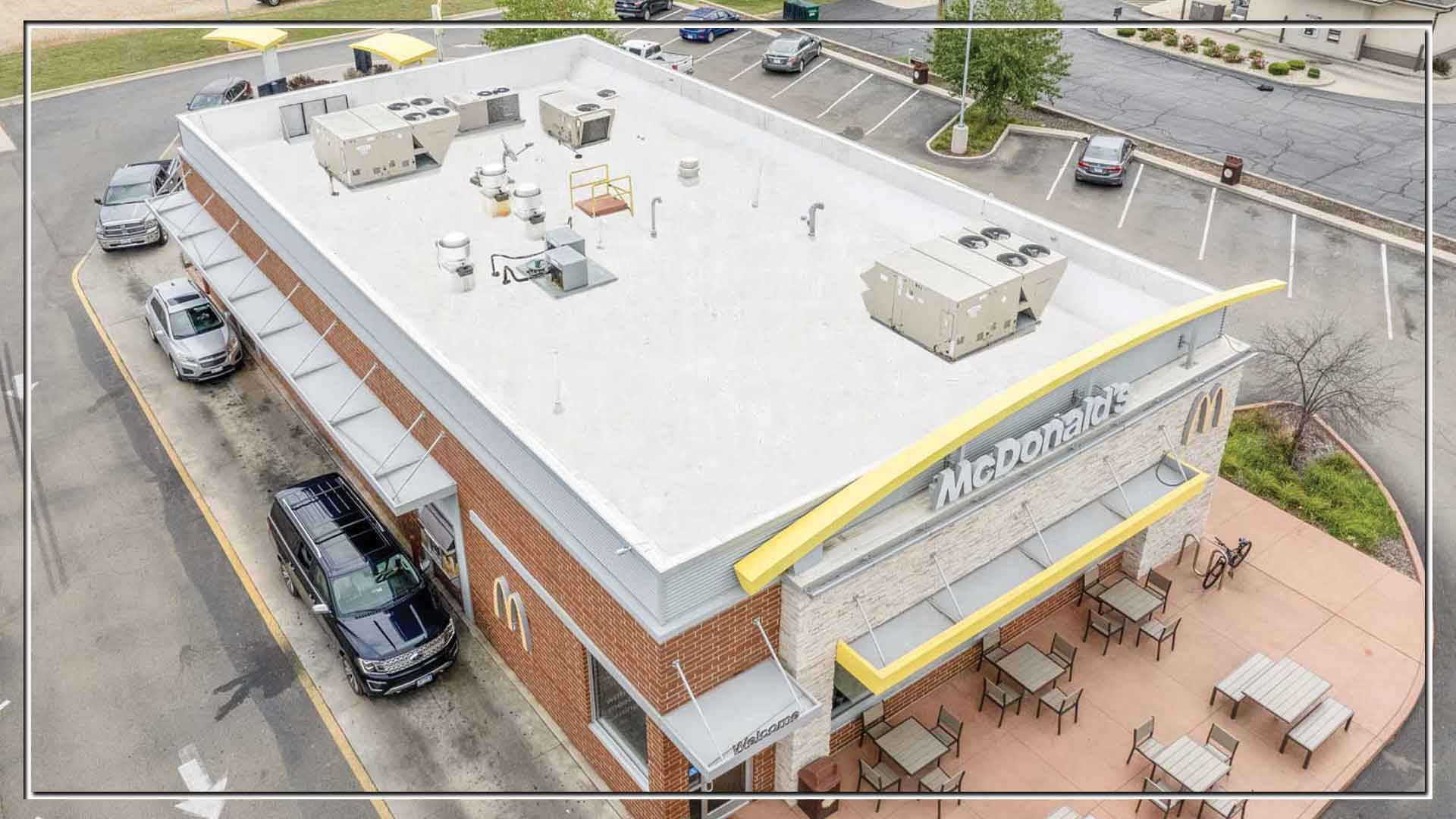
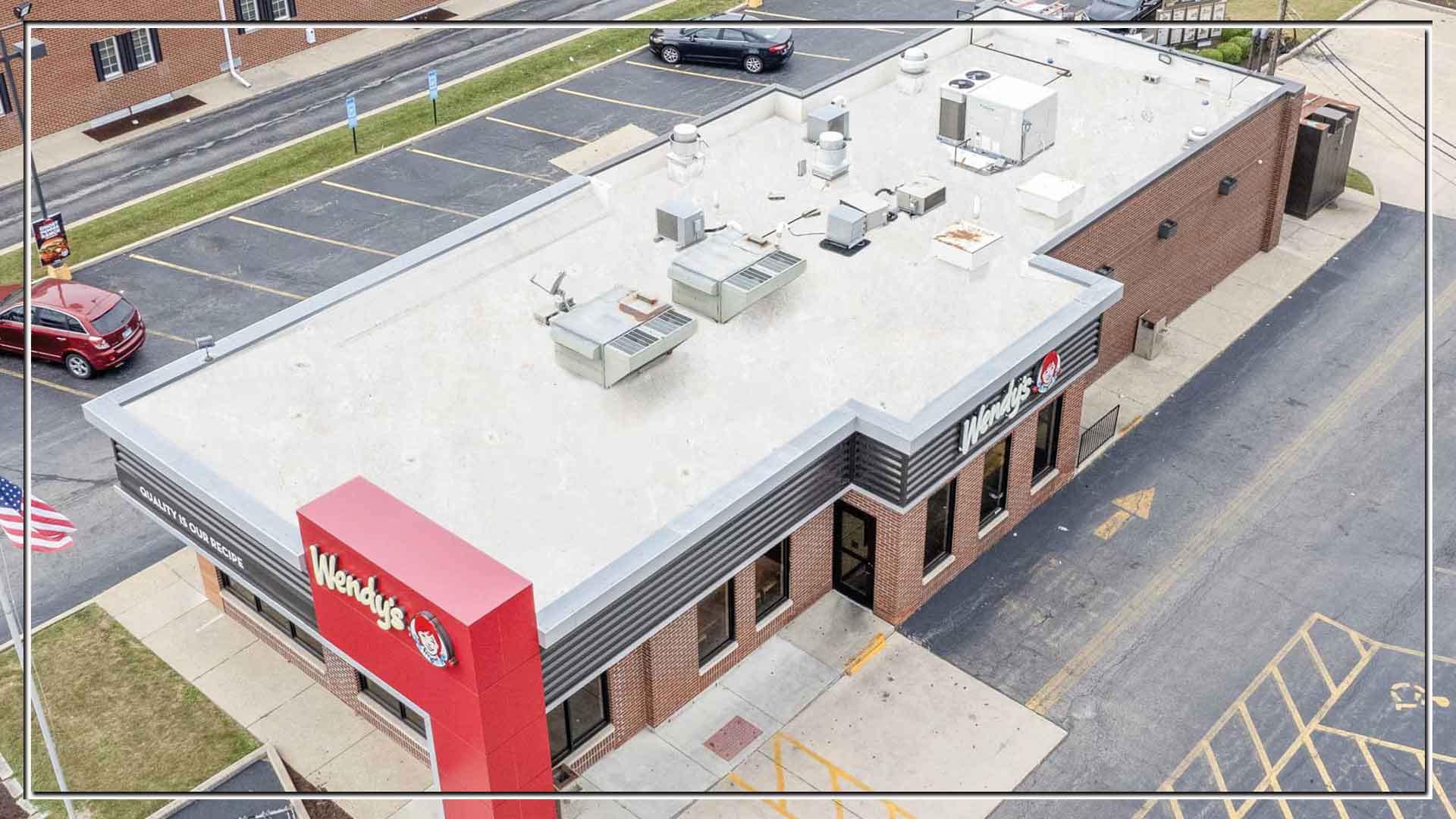
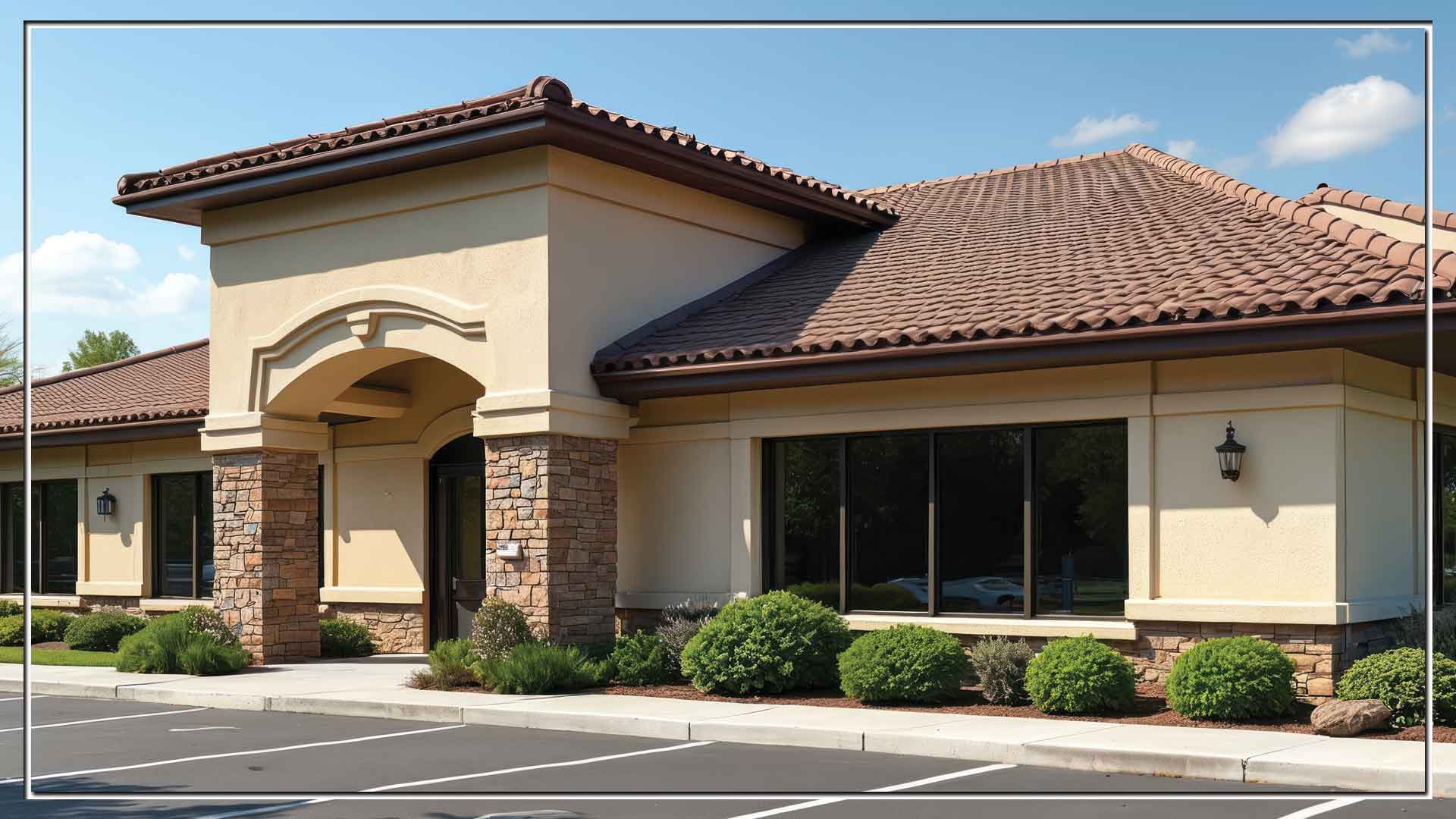
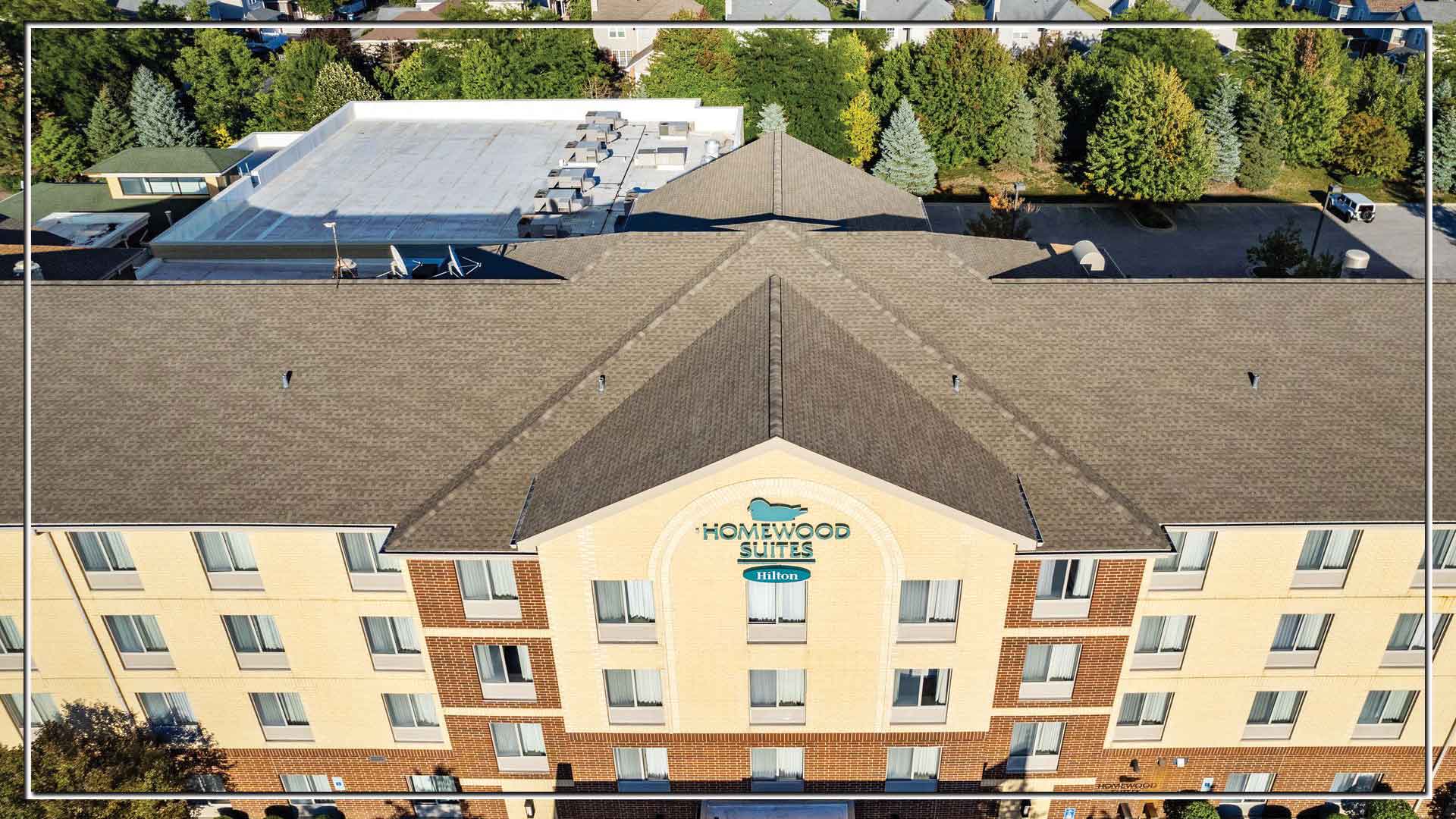
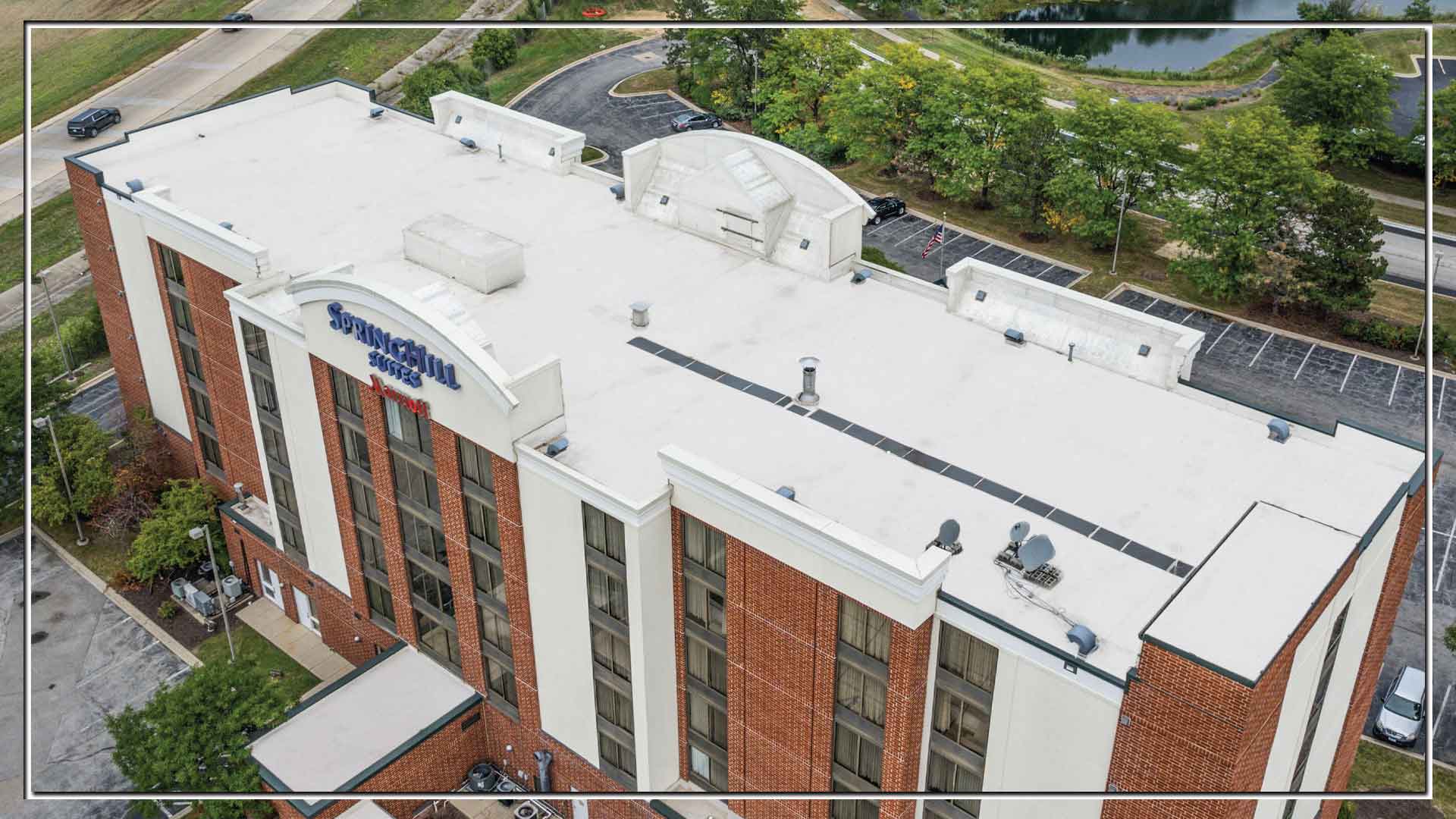
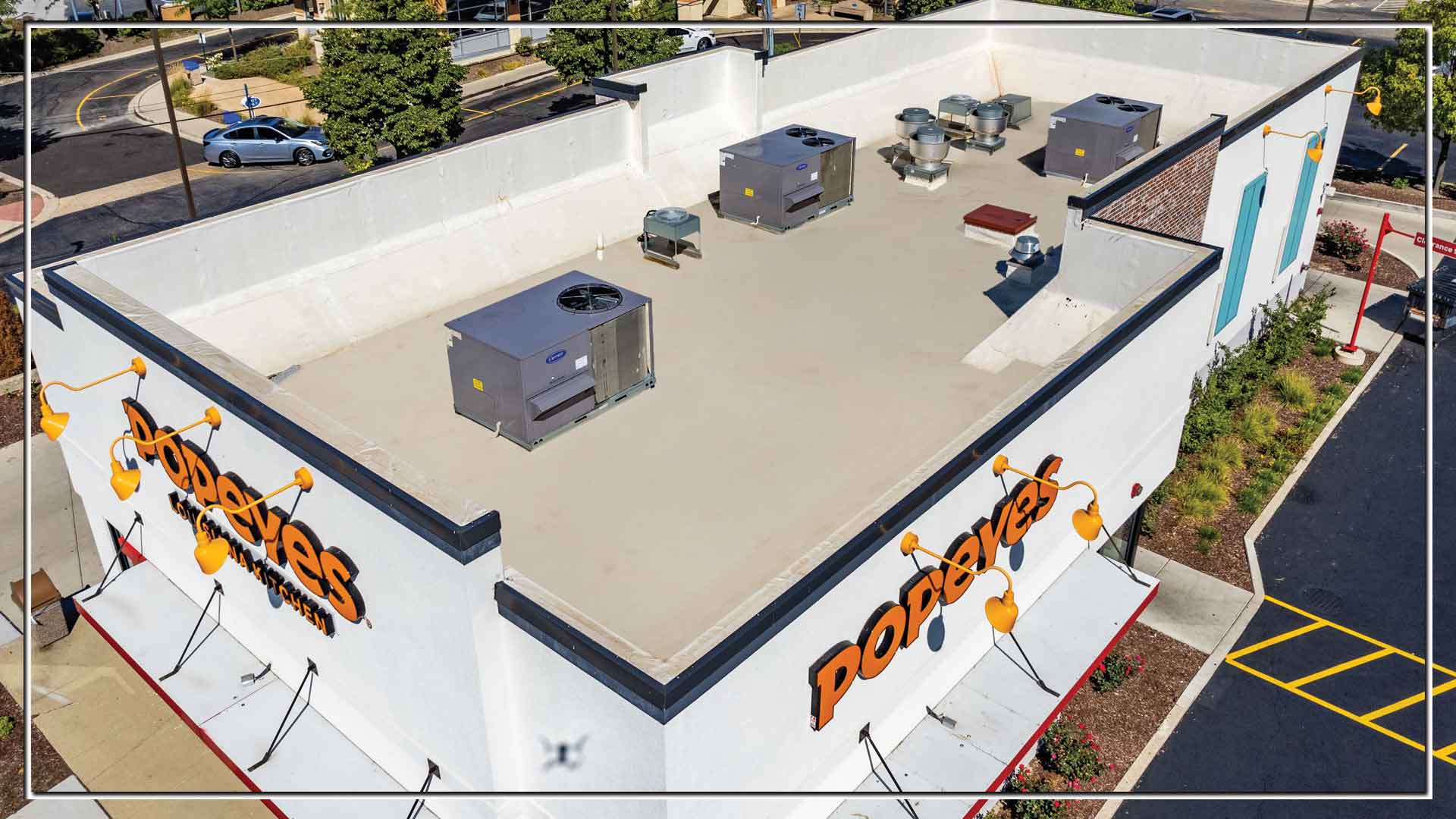
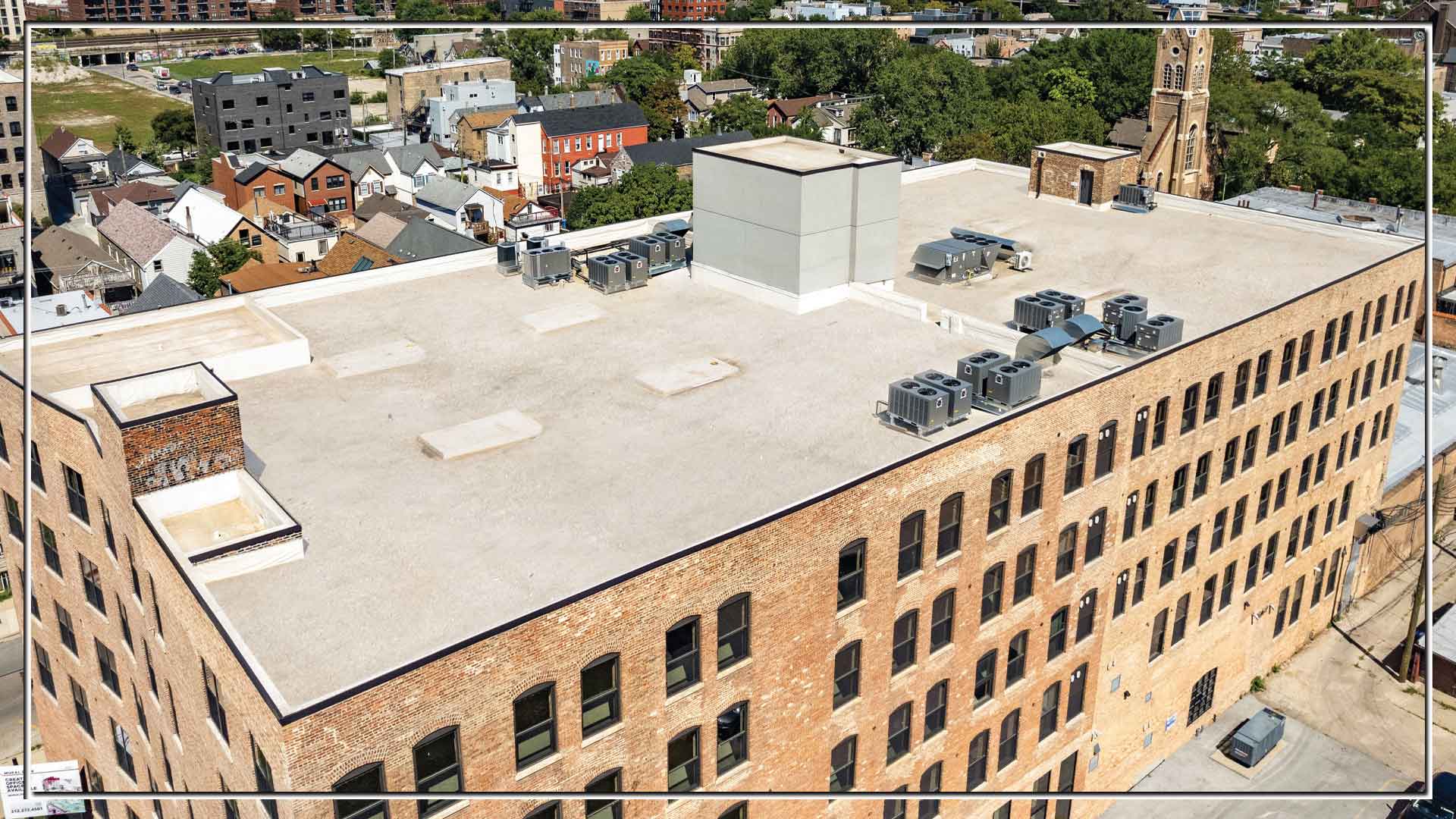
Commercial projects across Southwest Florida


Tell us about your building
Fill out the form or call. If you have a roof plan, a warranty document, or a leak log, send it along. It usually saves a trip.
Call (239) 345-3429
Who we work with
Business owners, property managers, HOA and condo boards, and multi-family owners across Southwest Florida. We've been roofing here since 1997, we're based in Fort Myers, and our Florida certified roofing contractor license is CCC1334737. You can look it up on the DBPR site.
Commercial work runs on other people's calendars. Board approvals, budget cycles, tenant notice, and the weather window all shape when a roof can actually get done. We plan around those instead of pretending they don't exist.
Where we work
Lee, Charlotte, and Collier counties, including Fort Myers, Cape Coral, Naples, Bonita Springs, and Estero. We also take commercial work in Sarasota, Orlando, and Boca Raton.
Commercial roofing questions
Does Florida's 25% rule apply to commercial buildings?
Yes. The rule comes from the building code's requirements for existing buildings, and it isn't limited to houses. It can require a whole roof section to be brought up to current code once 25% or more of that section is being repaired or replaced. The exception in Fla. Stat. § 553.844(5) applies here too: if the roof was built, repaired, or replaced under the 2007 Florida Building Code or a later edition, only the portion being worked on has to meet current code. Your local building official makes the determination, so the building's permit history matters.
How do I know whether a flat roof needs repair or replacement?
It usually comes down to what's under the membrane. Wet insulation doesn't dry out, so patching over it hides the problem instead of fixing it. Core cuts or a moisture scan show how much of the roof is wet. If the wet area is small and the membrane still has service life left, repair makes sense. If it's spread out, or you're patching the same roof every rainy season, replacement is usually cheaper over a few years.
Does a commercial roof warranty require maintenance?
Often, yes. Manufacturer warranties on commercial systems can carry inspection and maintenance conditions, and some require repairs to be made by an approved contractor. An unapproved repair can void coverage. Pull your warranty documents before anyone goes on the roof, and keep records of every inspection and repair.
Does a commercial reroof need a permit in Florida?
Yes. Florida law requires a permit from the local building department before a building is altered or repaired (Fla. Stat. § 553.79), and a reroof is permitted work. Expect inspections during the job. The permit also documents which code edition the roof was built under, which matters the next time the roof needs work.
Will a reroof shut down our business?
It shouldn't. Low-slope work is normally staged in sections so the building keeps operating, with each day's tear-off planned so the roof is watertight again before the crew leaves. Tell your roofer your operating hours, your delivery and customer access points, and anything sensitive under the deck, like server rooms or kitchen equipment. Those details often shape the schedule as much as the size of the roof does.