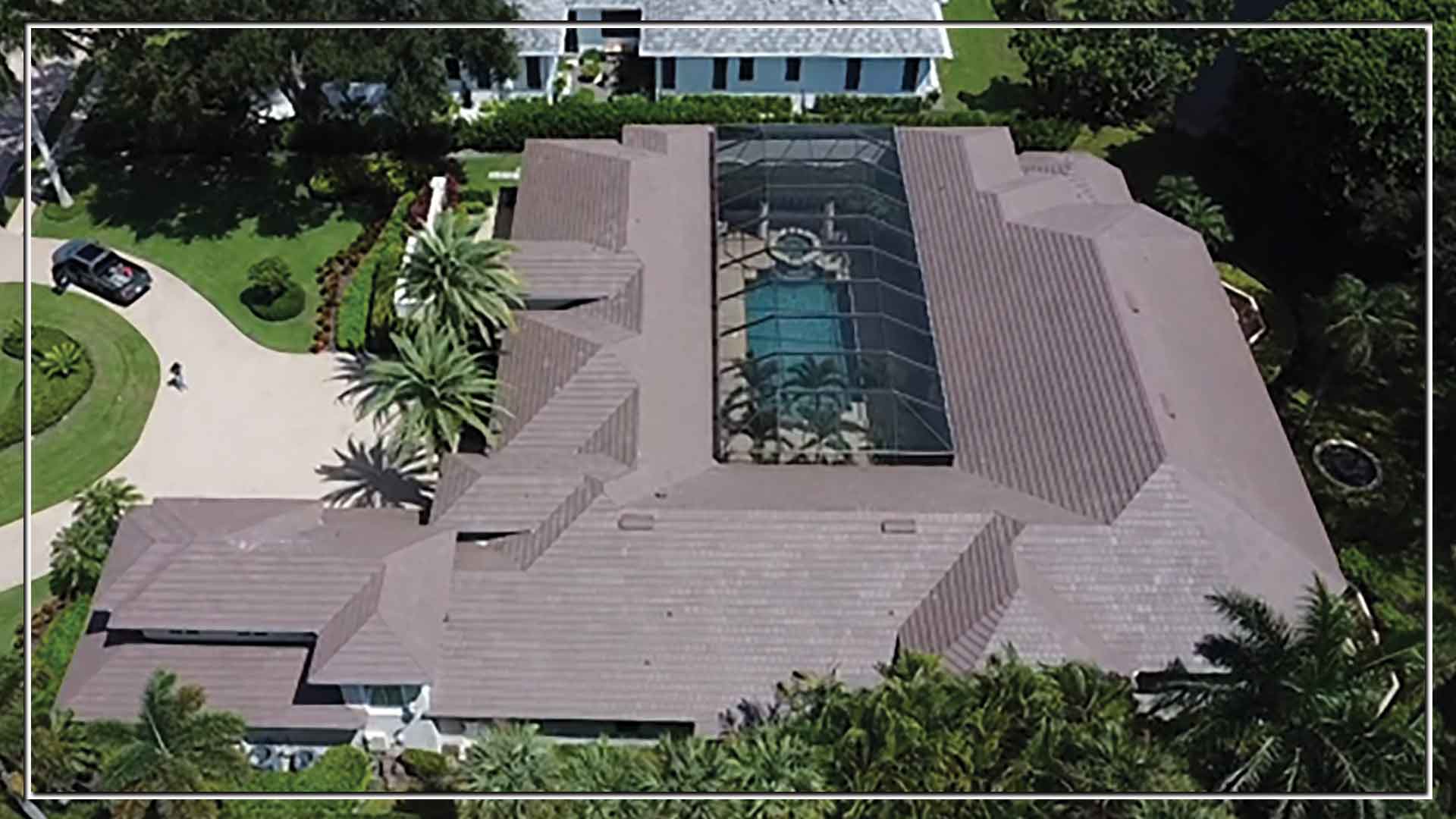
RESIDENTIAL ROOFING
Residential roofing for Southwest Florida homes
Roof repair, roof replacement, and tile roof maintenance for homeowners in Lee, Charlotte, and Collier counties. We're based in Fort Myers and have been roofing here since 1997.
Serving Fort Myers, Cape Coral, Naples, Bonita Springs, Estero, and Sarasota.
Call (239) 345-3429
Get An Instant Roof Quote
Florida Certified Roofing Contractor CCC1334737 • Residential & Commercial Roof Repair
• Tile, Shingle, Metal & Flat Roofs

Roof repair and replacement in Fort Myers, Cape Coral, and Naples
Superior Built Roofing repairs and replaces roofs on homes across Southwest Florida. We work on tile, asphalt shingle, metal, flat, and stone-coated steel roofs, and we hold Florida certified roofing contractor license CCC1334737. Our office is at 10231 Metro Parkway #200 in Fort Myers.
If you're reading this, you're probably dealing with one of two things. Something's leaking, or your roof is getting older and you don't know how much time it has left. Either way, step one is finding out what's really going on up there. Then we'll tell you honestly whether a repair makes sense or whether you'd be pouring money into a roof that's finished.
What does your roof need?

Roof Replacement
For roofs near the end of their life, or ones that keep needing repairs. We'll go over your material options and what Florida code requires on a new roof.

Roof Repair
Leaks, slipped tiles, lifted shingles, loose flashing. We track down where the water's actually getting in, which isn't always right above the stain.

Roof Maintenance
A tile roof can look fine from the driveway while the layer underneath wears out. Routine checks catch cracked and slipped tiles before water reaches that layer.

Picking the right roof for a Florida home
Hurricane season runs June through November, and that's when roofs here get tested. Wind works under the edges and lifts them, rain blows in sideways, and debris does the rest. Tile, shingle, and metal each handle that differently, and they don't cost the same to put on or keep up. We'll lay out the trade-offs for your house, including its roof shape and any HOA rules on materials.

Understand your options

Review the scope and cost

Plan your next step
Roof repair by roof type

Tile Roof Repair
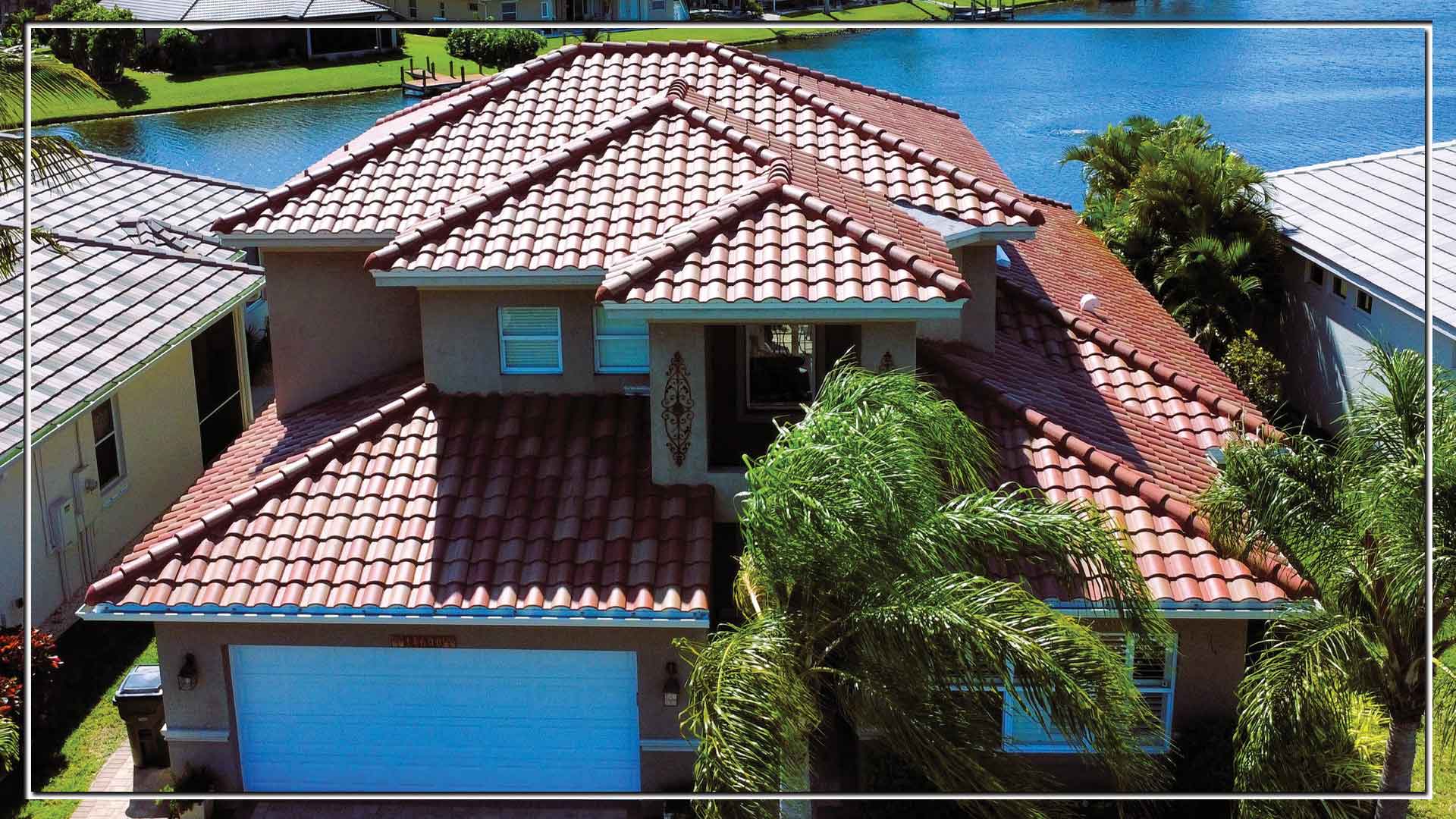
On a tile roof, the underlayment under the tile does most of the waterproofing. When a tile cracks or slips, sun and rain hit that layer directly and it wears out faster. We'll tell you whether you've got a few bad tiles or an underlayment that's near the end of its life.

Shingle Roof Repair
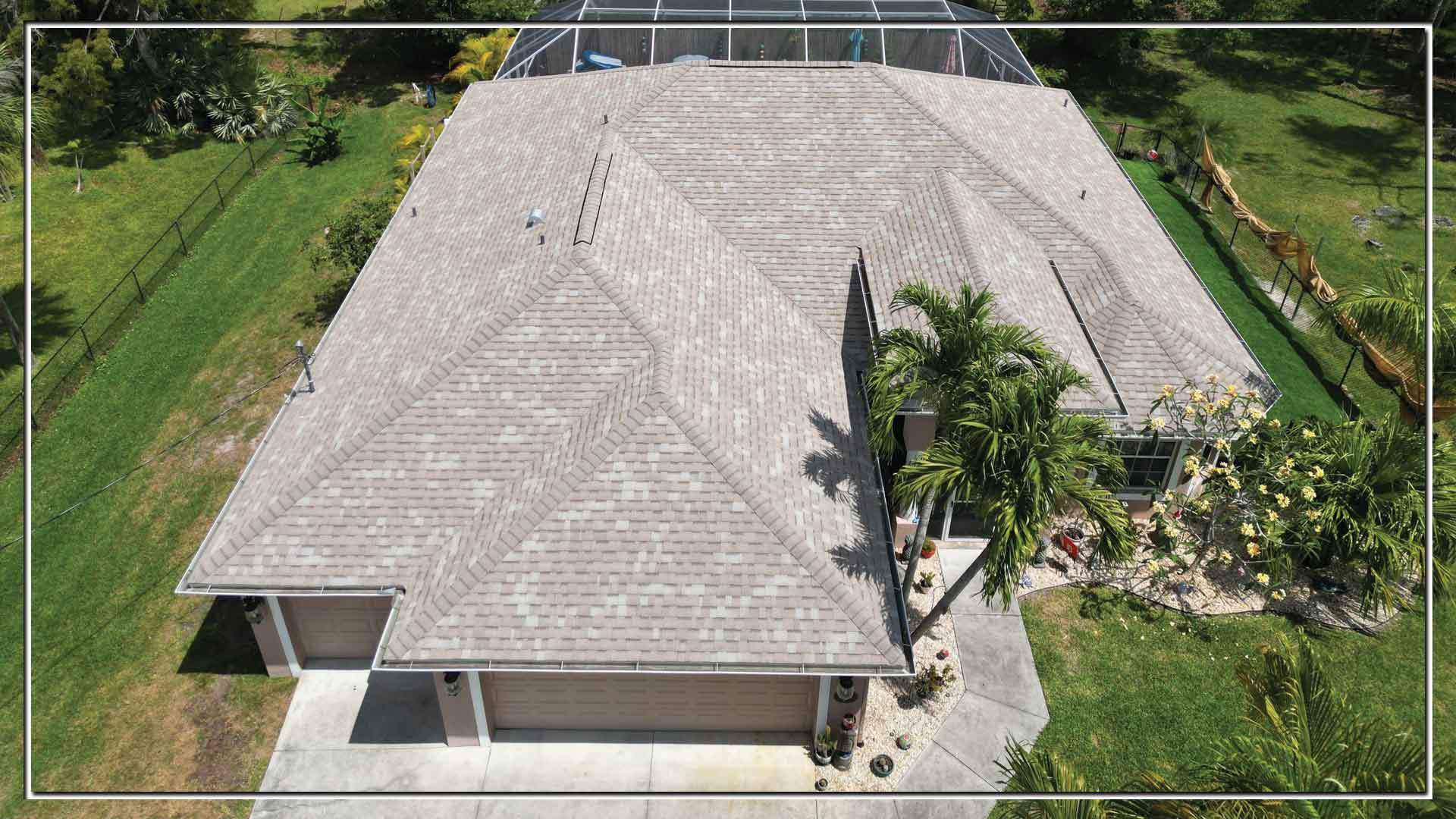
Strong wind can lift shingles and break the adhesive strip that holds each one down. Some settle back flat and look fine from the yard, even though they aren't sealed anymore. We check the shingles around the damage to see whether a repair will hold.

Metal Roof Repair
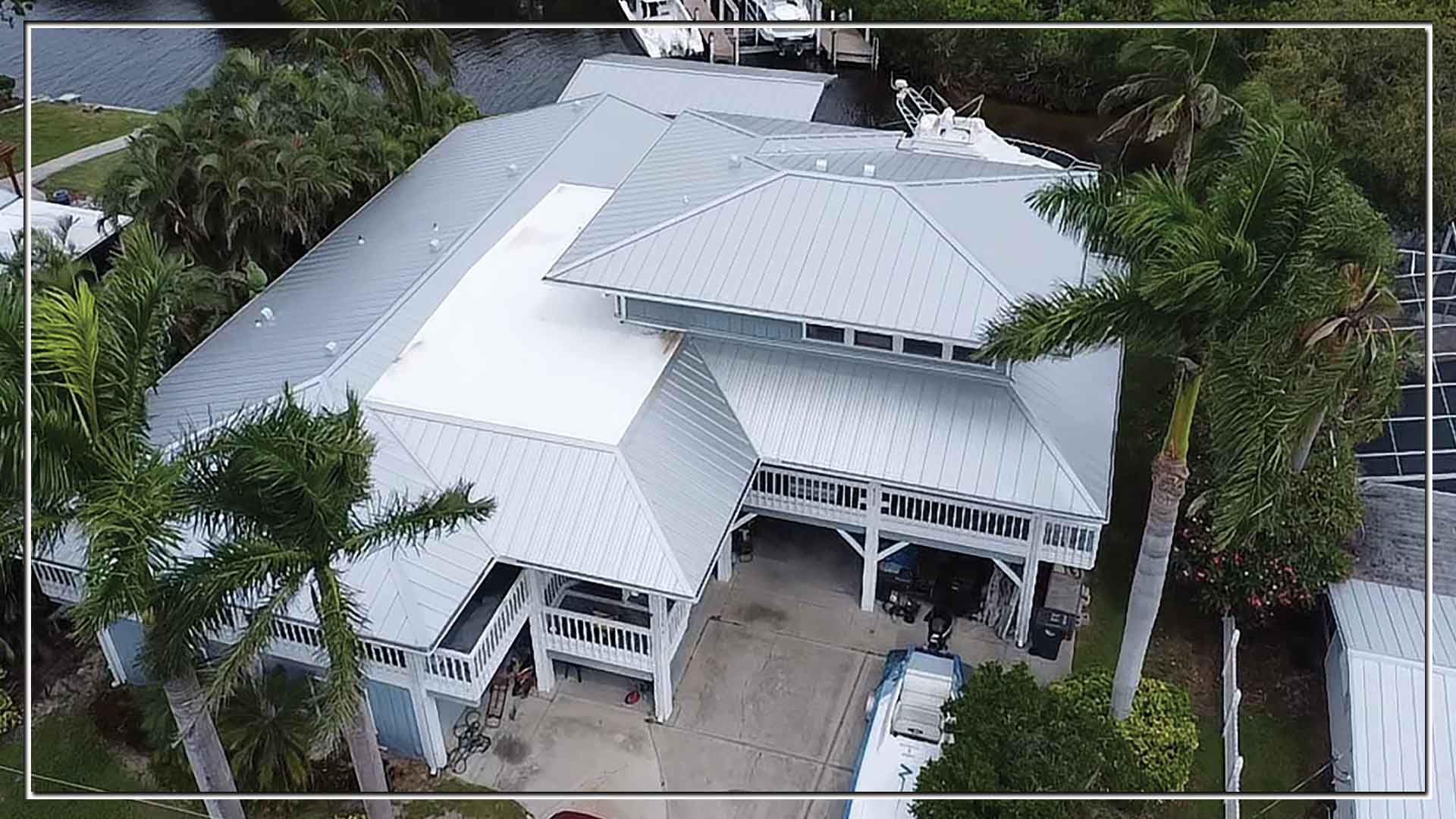
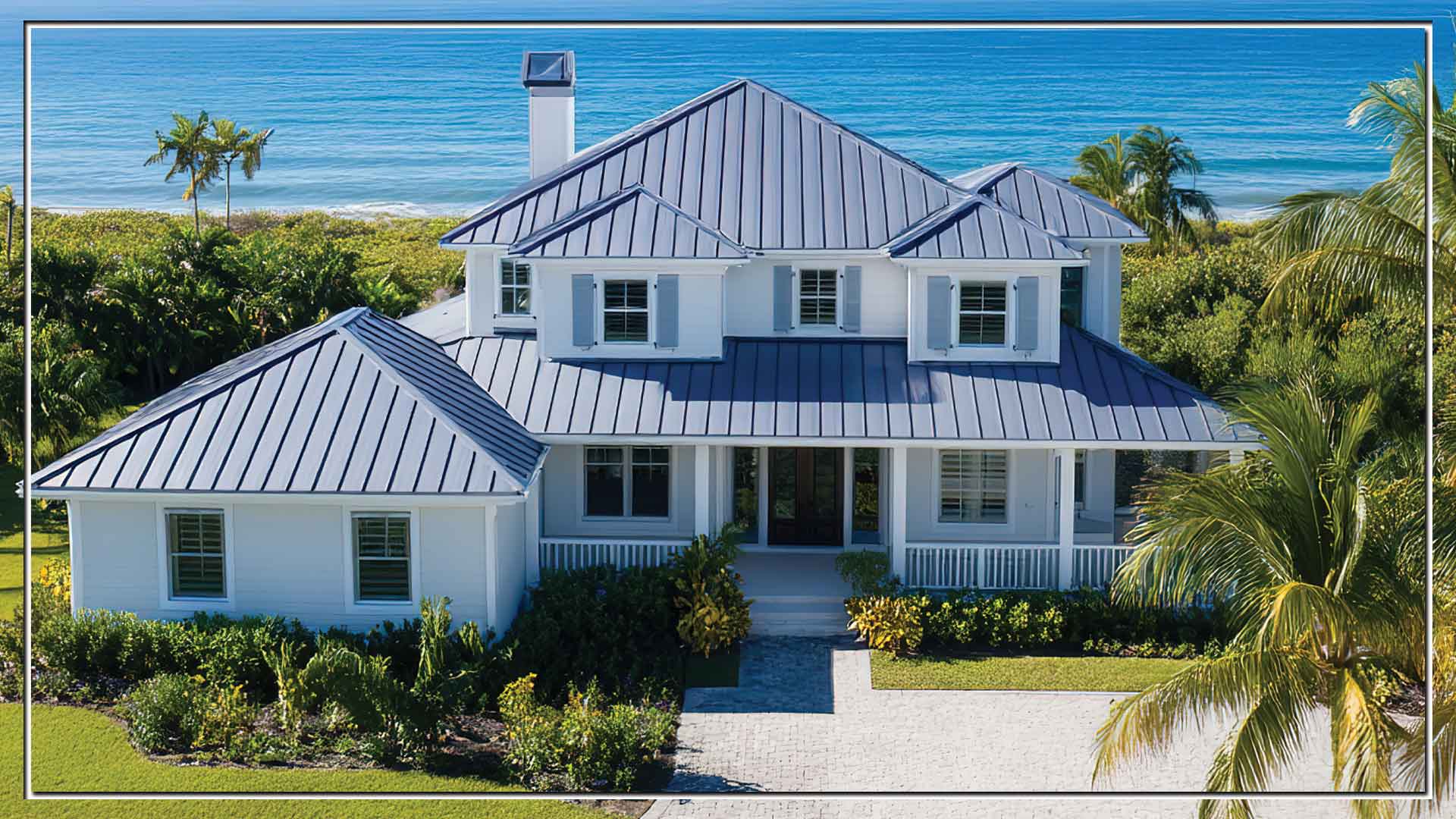
On metal roofs we look hardest at fasteners, seams, and anywhere a pipe or vent comes through, since that's where leaks tend to start. Homes close to salt water can see corrosion on exposed metal parts sooner. Any repair gets matched to the panel system you already have.

Flat Roof Repair
If your home has a flat or low-slope section over a lanai, porch, or addition, it can leak at the seams, at the flashing, and wherever water sits after a storm. A lasting fix often means dealing with the drainage too.
Should you repair or replace your roof?
It comes down to how much of the roof is damaged, how old it is, and what the building code says about your particular roof. A few broken tiles on an otherwise healthy roof is a repair. Leaks in several places, or a roof you're patching every rainy season, usually points toward replacement.

A target repair
Makes sense when the damage is isolated and the rest of the roof still has good years left.

A full replacement
Worth a hard look when damage is spread across the roof or the same repairs keep coming back.
How Florida's 25% rule can change the math
On older roofs, the Florida Building Code can require a whole roof section to be brought up to current code once 25% or more of it is being repaired or replaced. That can turn what looked like a simple repair into a much bigger project.
There's an important exception. If your roof was installed or replaced under the 2007 Florida Building Code or a newer edition, state law says only the part being worked on has to meet today's code (Fla. Stat. § 553.844(5)). Your local building official makes the final call. That's why your roof's age and permit history matter so much when you're pricing a repair.
We'll walk you through what we found before you decide anything.
What happens after you reach out
01
Inspect
We look over your roof and talk through what you've noticed, whether that's a stain, a drip, or storm damage.
02
Review
You get a plain-English rundown of what's wrong and what your options are.
03
Plan
We confirm the scope, materials, and schedule. A roof replacement is permitted work in Florida, so the permit is part of the plan.
04
Complete
We go over the finished job with you and tell you what to keep an eye on.
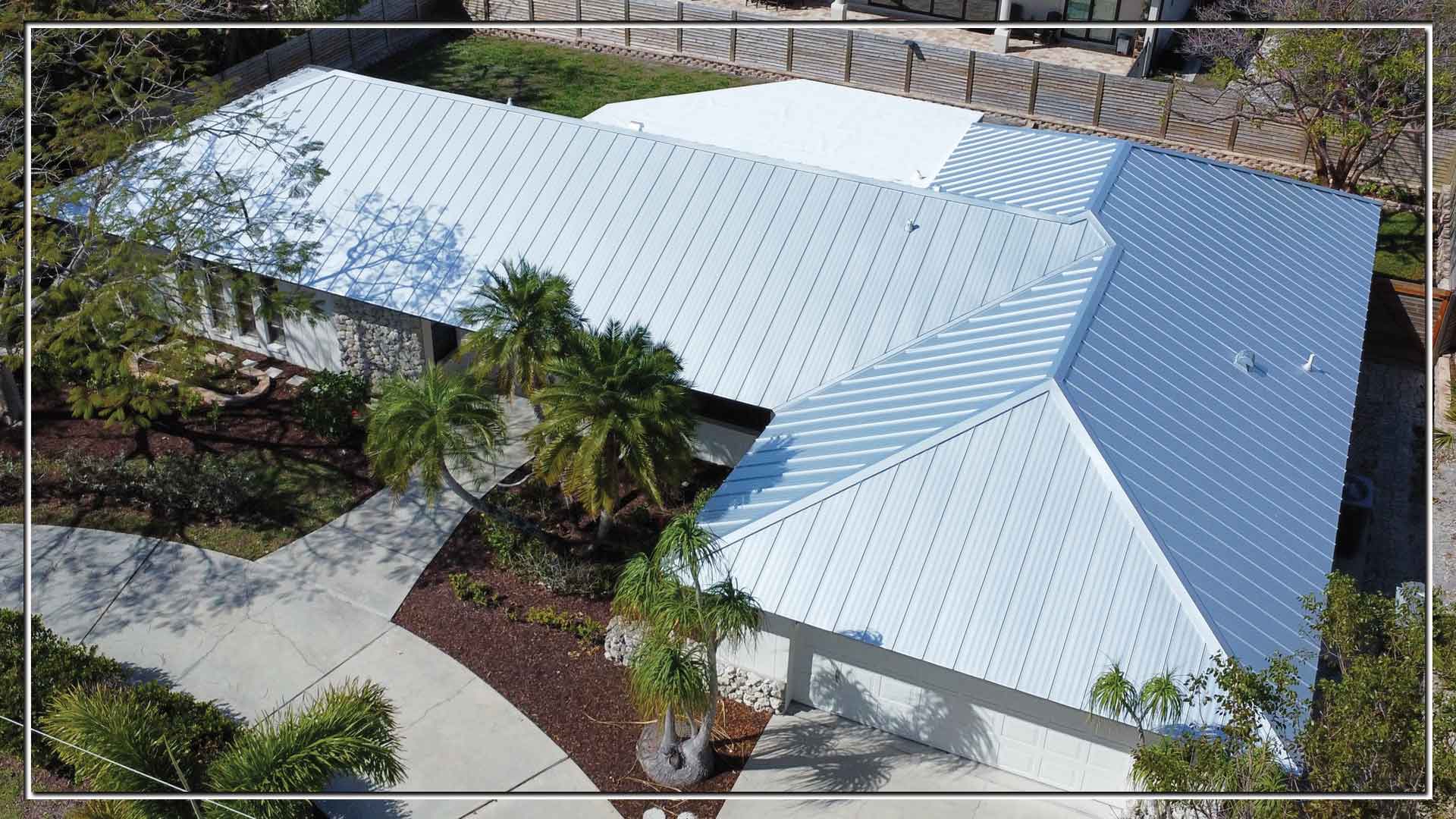
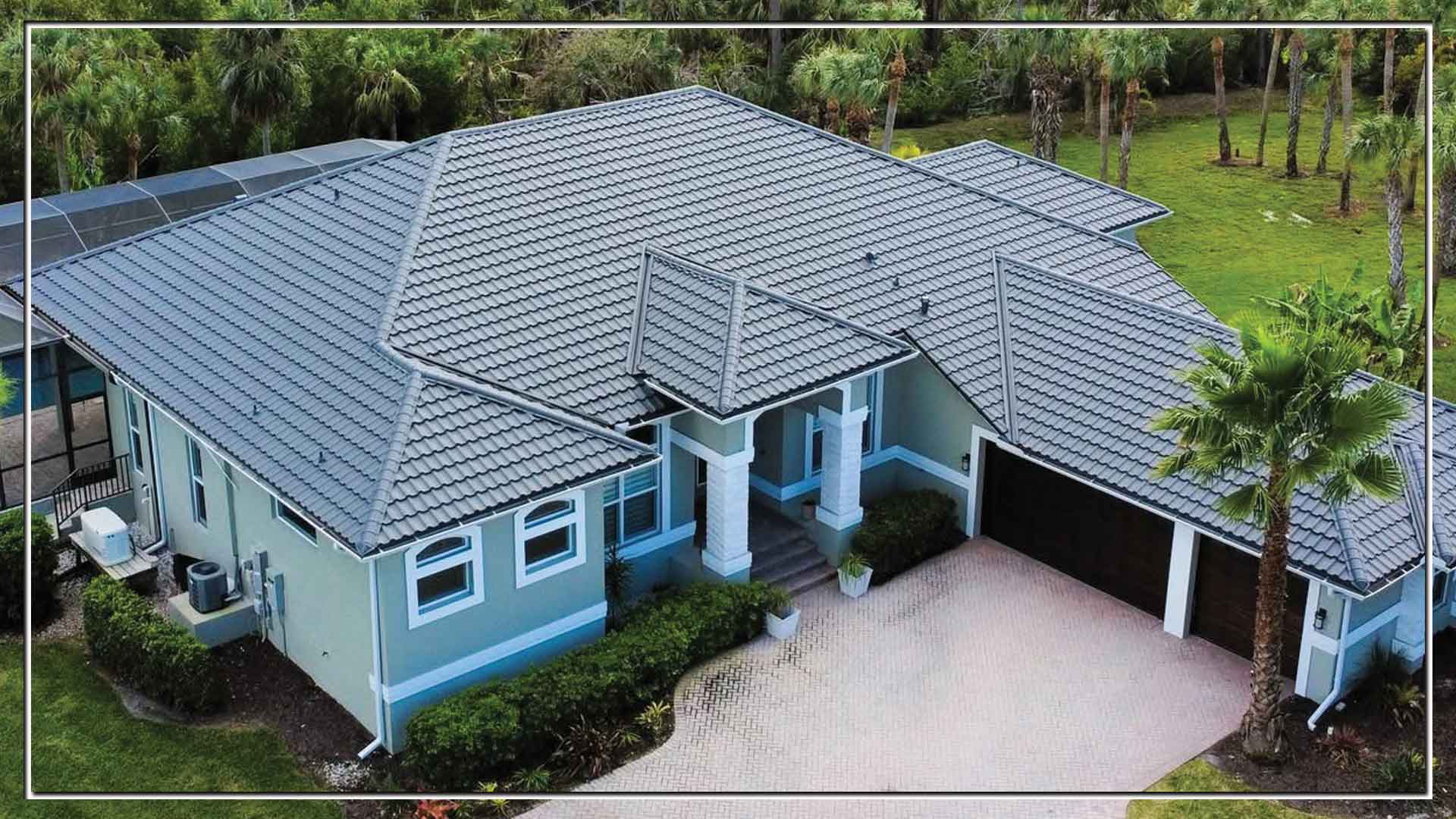
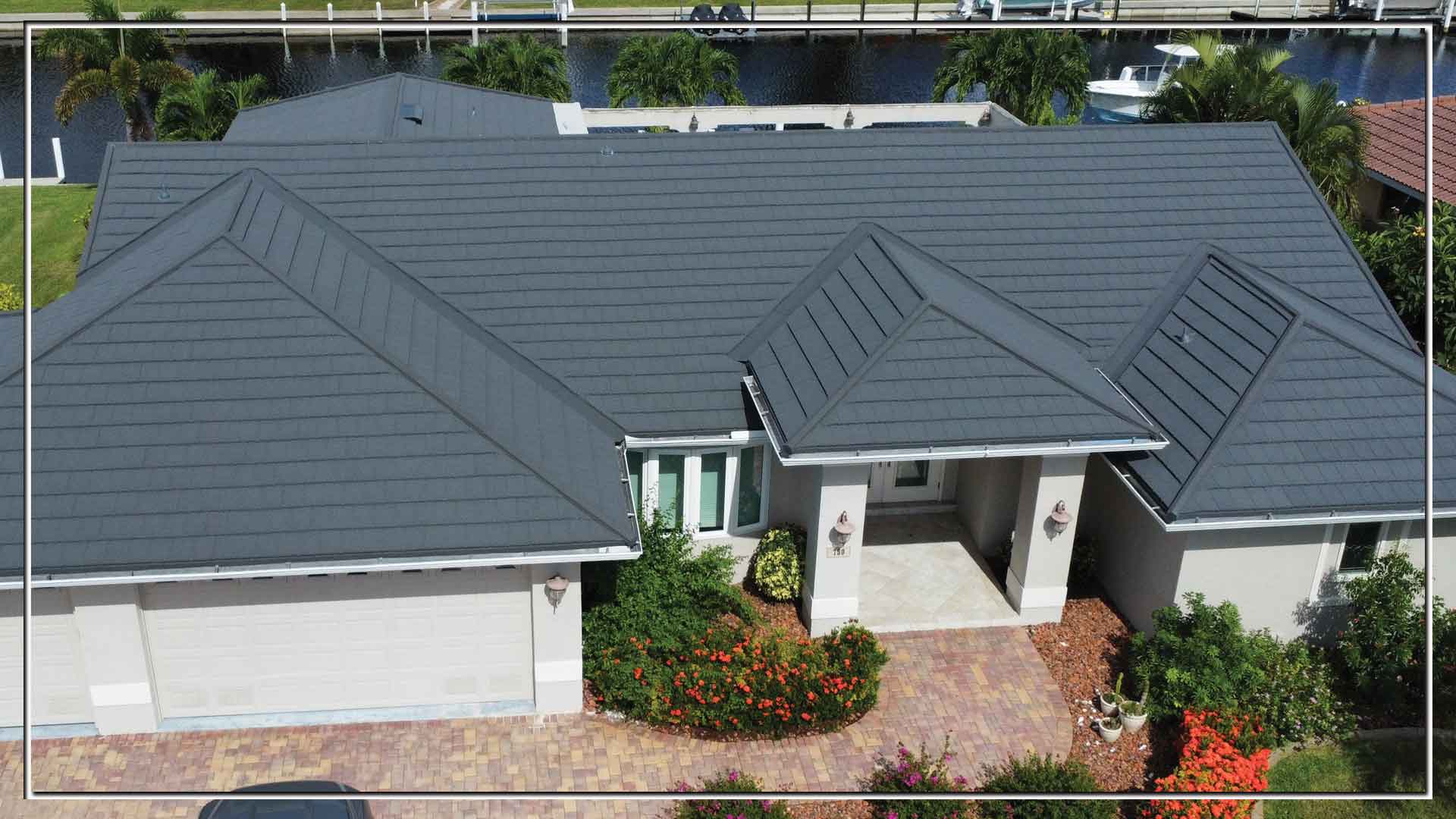
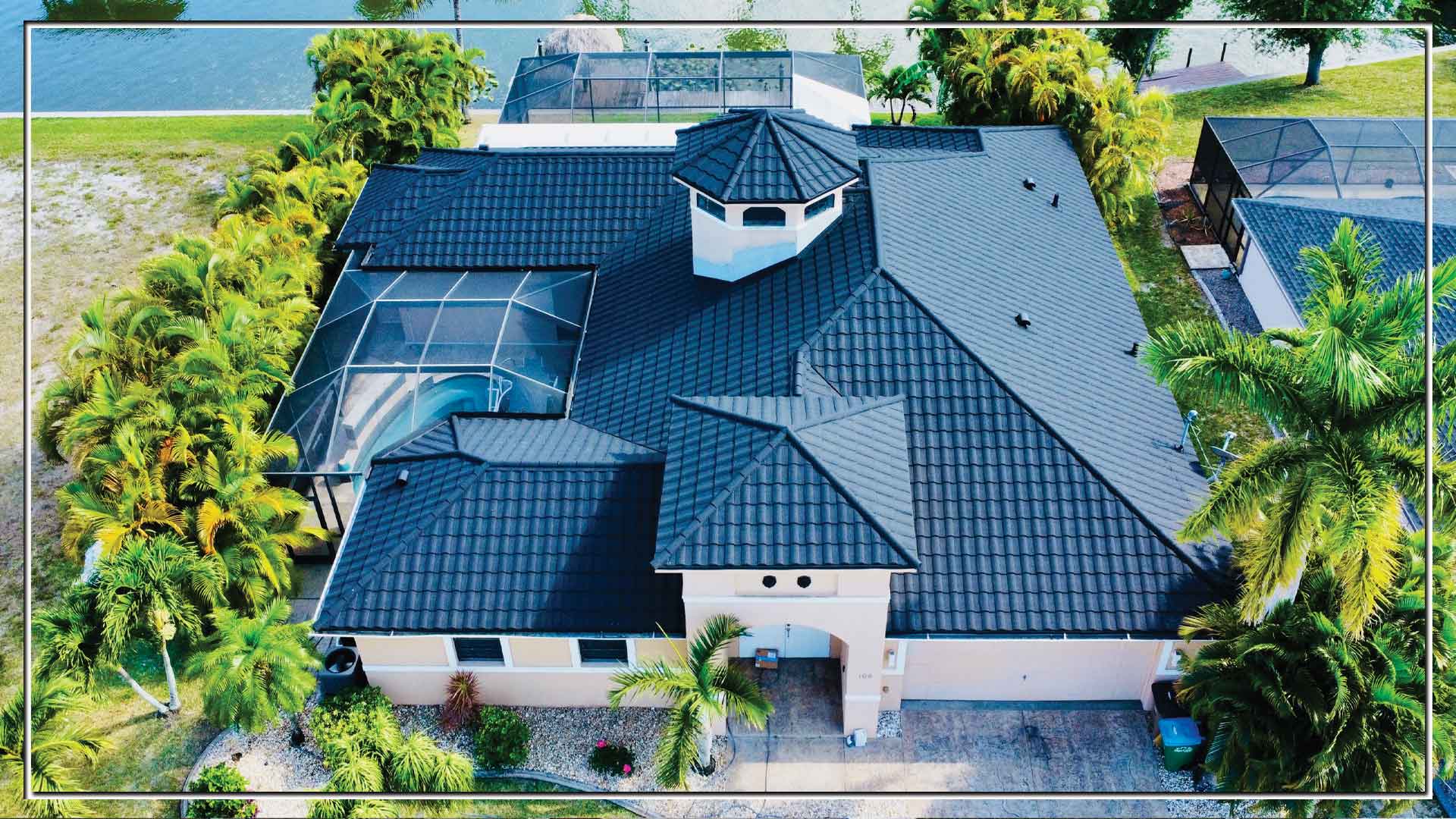
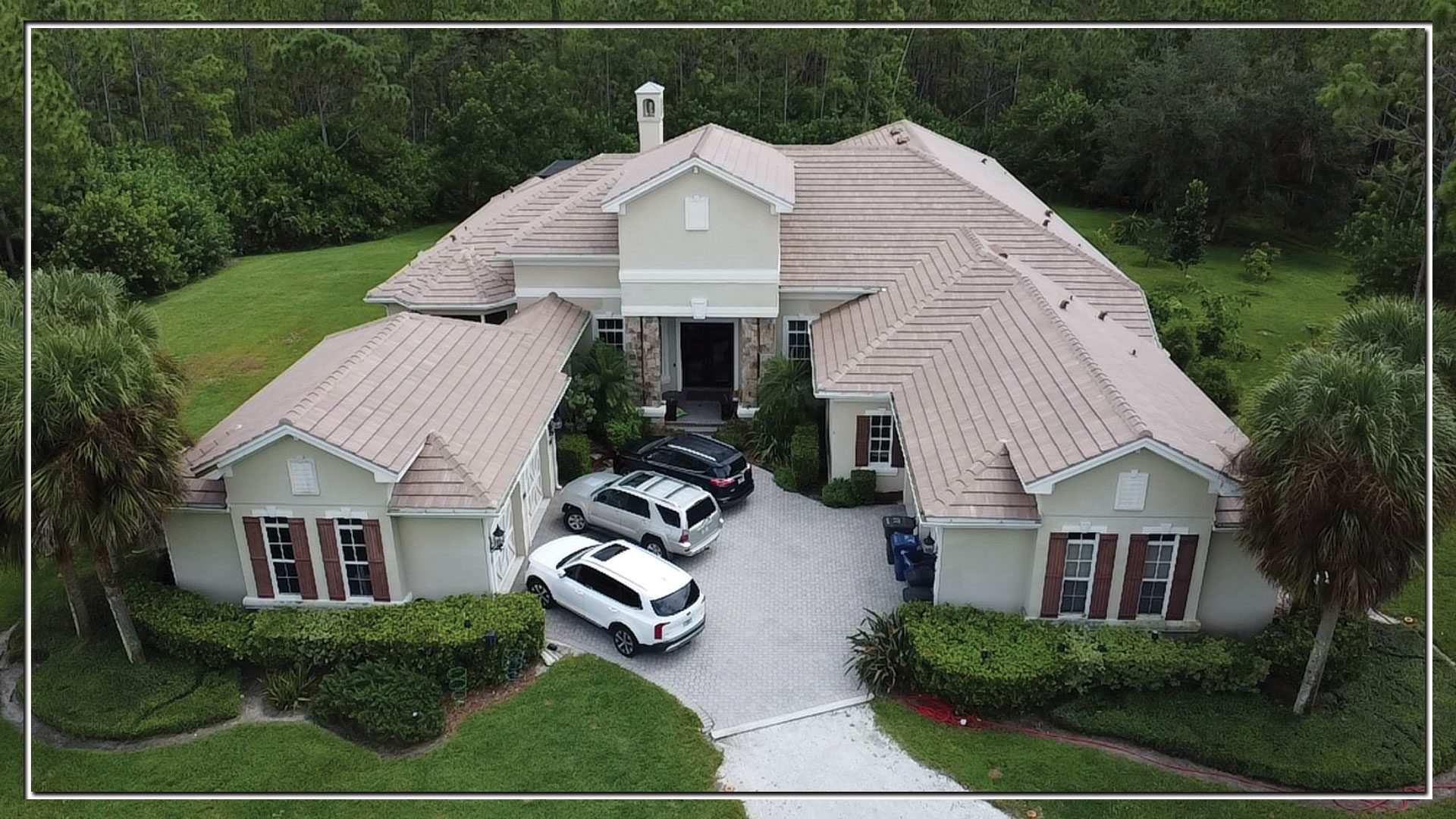
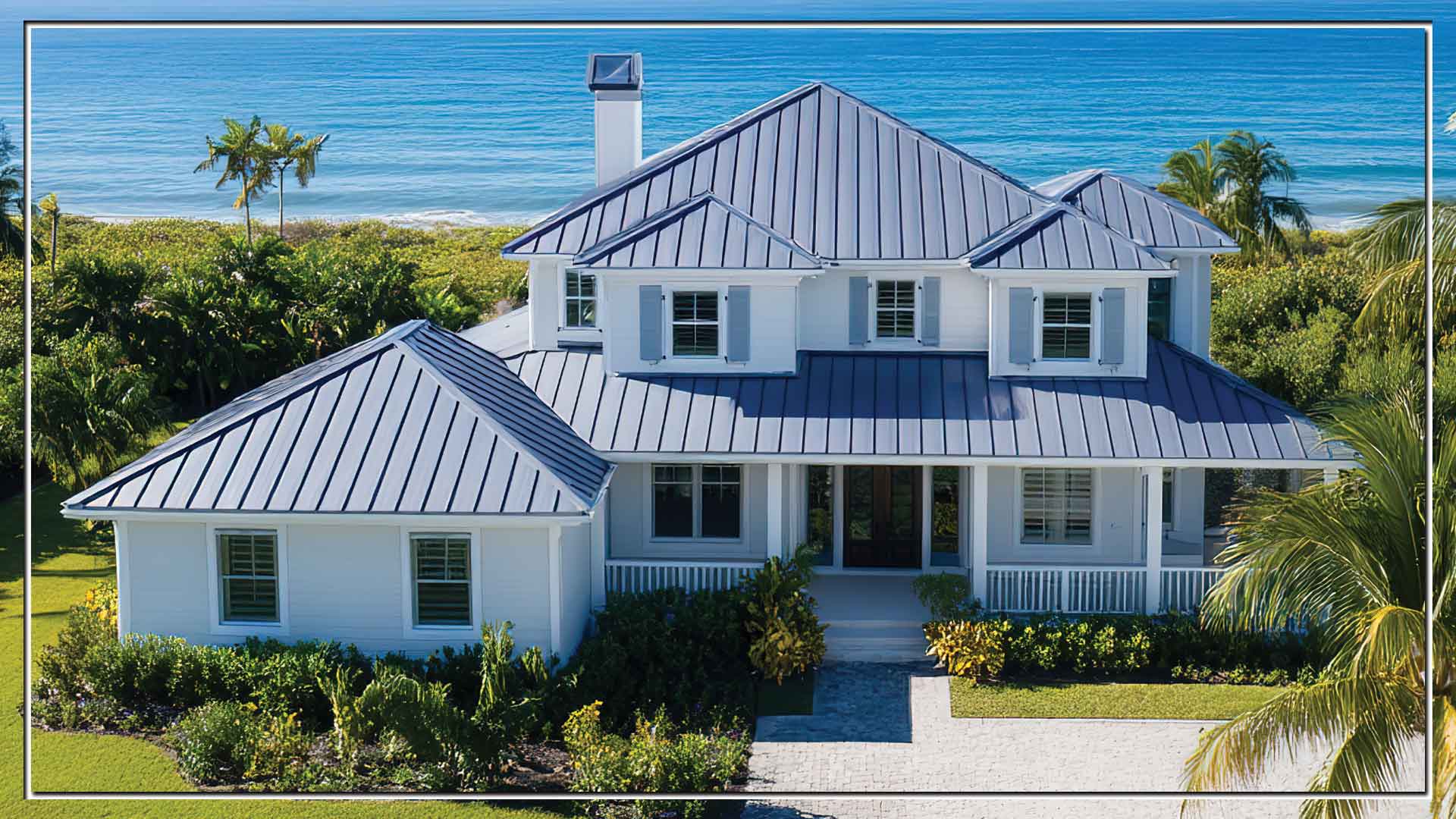
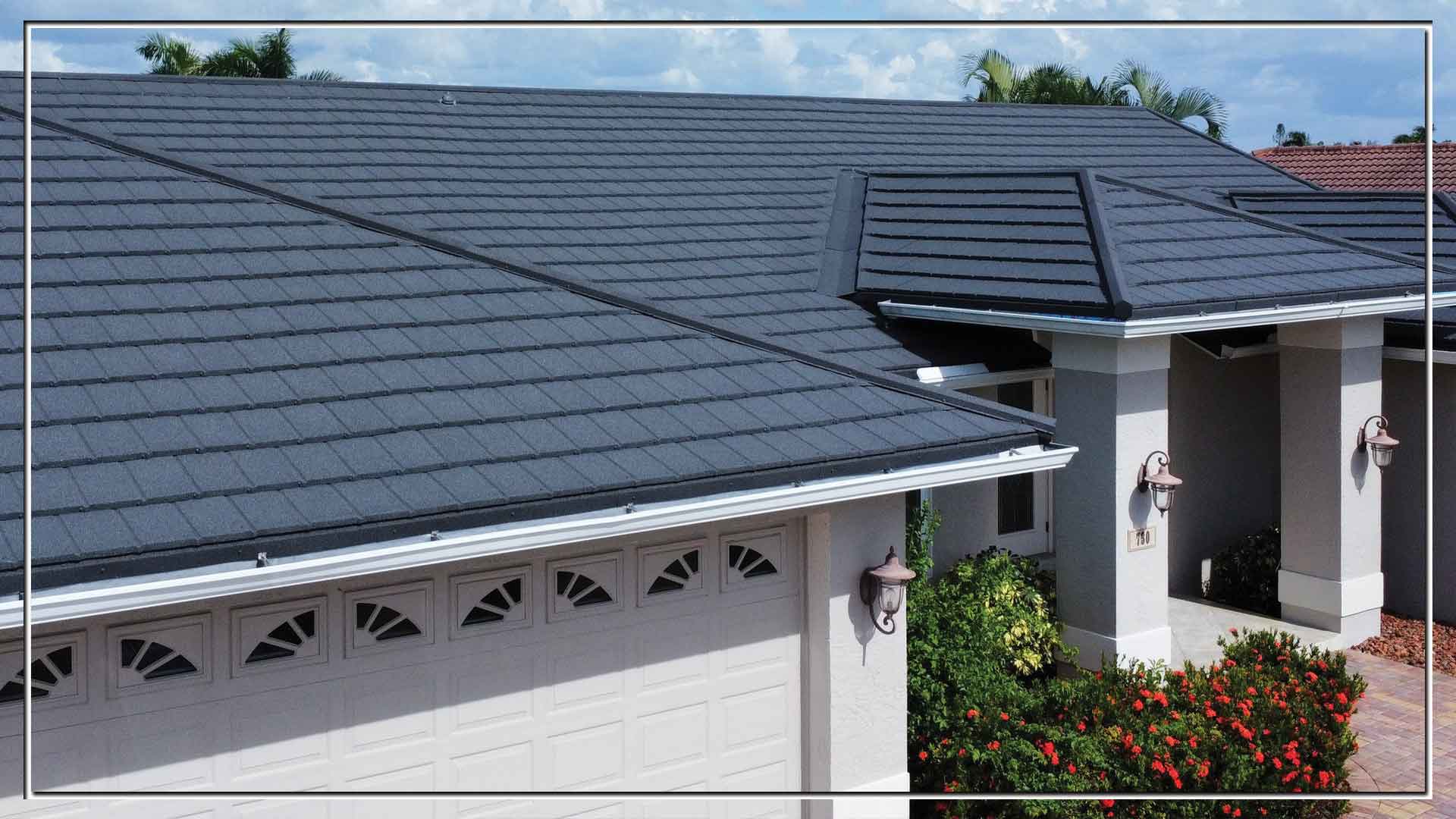
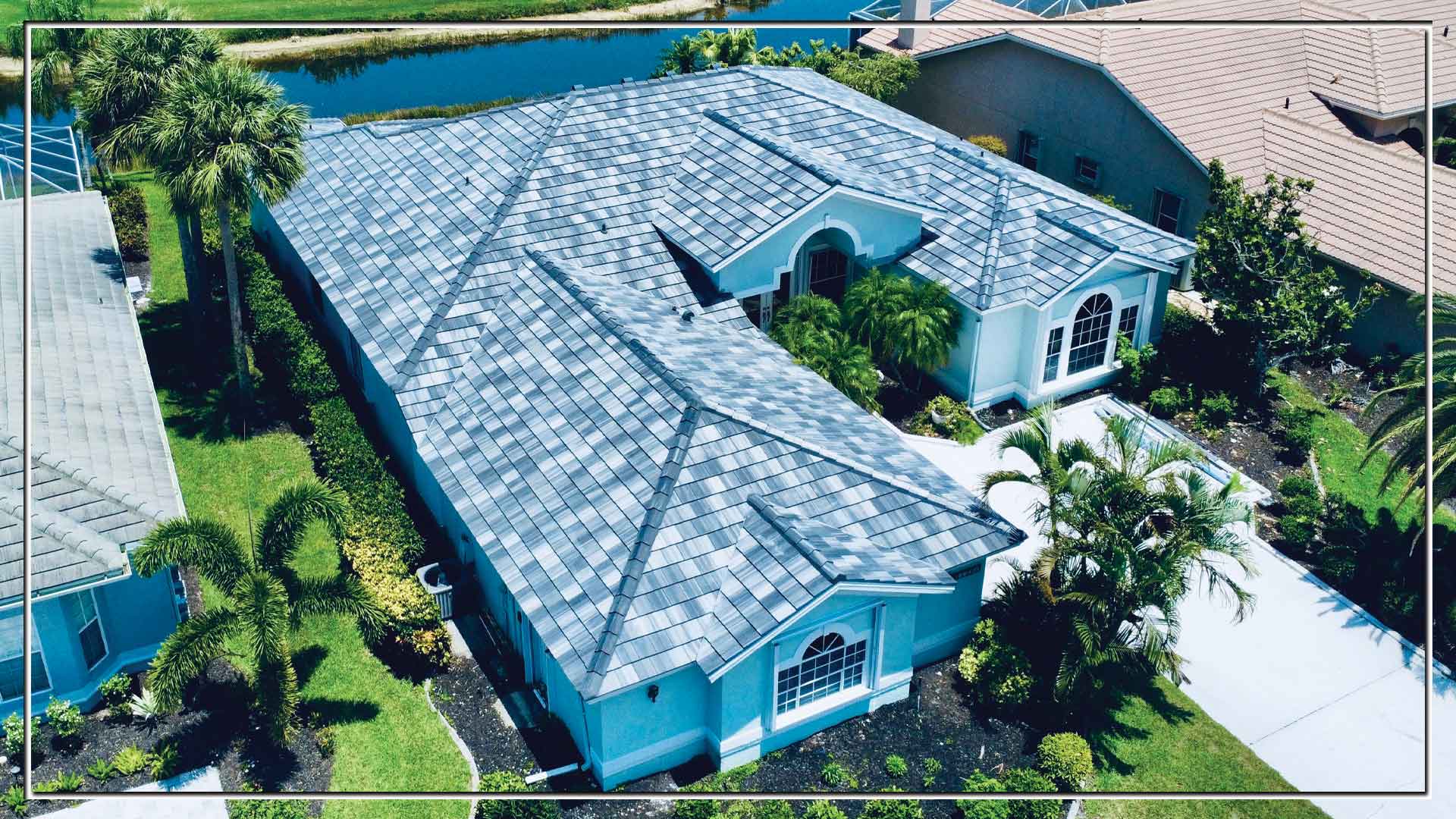
Recent roofs from our crews


Tell us what's going on with your roof
Fill out the form or call, and we'll help you figure out the next step.
Call (239) 345-3429
Why homeowners here choose Superior Built Roofing

We've roofed Southwest Florida homes since 1997, and we're based in Fort Myers. Our Florida certified roofing contractor license is CCC1334737. You can look it up on the Florida DBPR website, and it's worth doing that for any roofer who gives you a quote.
When homeowners review us, the same things tend to come up: how fast we showed up after a storm, that we explained the problem in plain terms before starting, that nobody pushed extra work on them, and that the job wrapped up on schedule, even in rainy season.
Where we work
Our core service area is Lee, Charlotte, and Collier counties, including Fort Myers, Cape Coral, Naples, Bonita Springs, and Estero. We also do residential roofing in Sarasota, Orlando, and Boca Raton.
Roof Repair Questions
What does Florida require when a house gets a new roof?
Under Fla. Stat. § 553.844, a roof replacement on a site-built single-family home has to incorporate two wind mitigation measures: a secondary water barrier, and stronger or corrected attachment of the roof deck. The secondary water barrier is a backup layer that helps keep rain out if a storm tears off shingles or tiles. Better deck attachment helps the roof stay on in high wind in the first place.
Do I need a permit to replace my roof in Florida?
Yes. Florida law requires a permit from the local building department before a building is altered or repaired (Fla. Stat. § 553.79), and a roof replacement is permitted work. Whether a smaller repair needs one depends on the scope, so check with your building department or ask us. The permit also leaves a dated record of when your roof went on, which is how you'd show which building code it was installed under.
How do I find out when my roof was last replaced?
Start with the permit records. Your city or county building department keeps them, and many let you search by address online. If you bought the house in the last few years, your home inspection report may also list the roof's approximate age.
Why doesn't my ceiling stain line up with the leak on my roof?
Water often doesn't drip straight down. It gets in through a gap, then runs along the underlayment, the roof deck, or the framing until it finds a place to fall. The stain shows where the water landed, which can be a good distance from where it got in. That's why a leak repair should start on the roof, tracing the path back to the source.
What should I do first if a storm damages my roof?
If water is coming in, the first job is keeping more of it out. A professionally installed tarp can cover the damaged area until a permanent repair is done. Stay off the roof yourself, because a wet, storm-damaged roof is dangerous to walk on. Once it's safe, have the roof inspected so you know what was actually damaged before you decide on repairs.